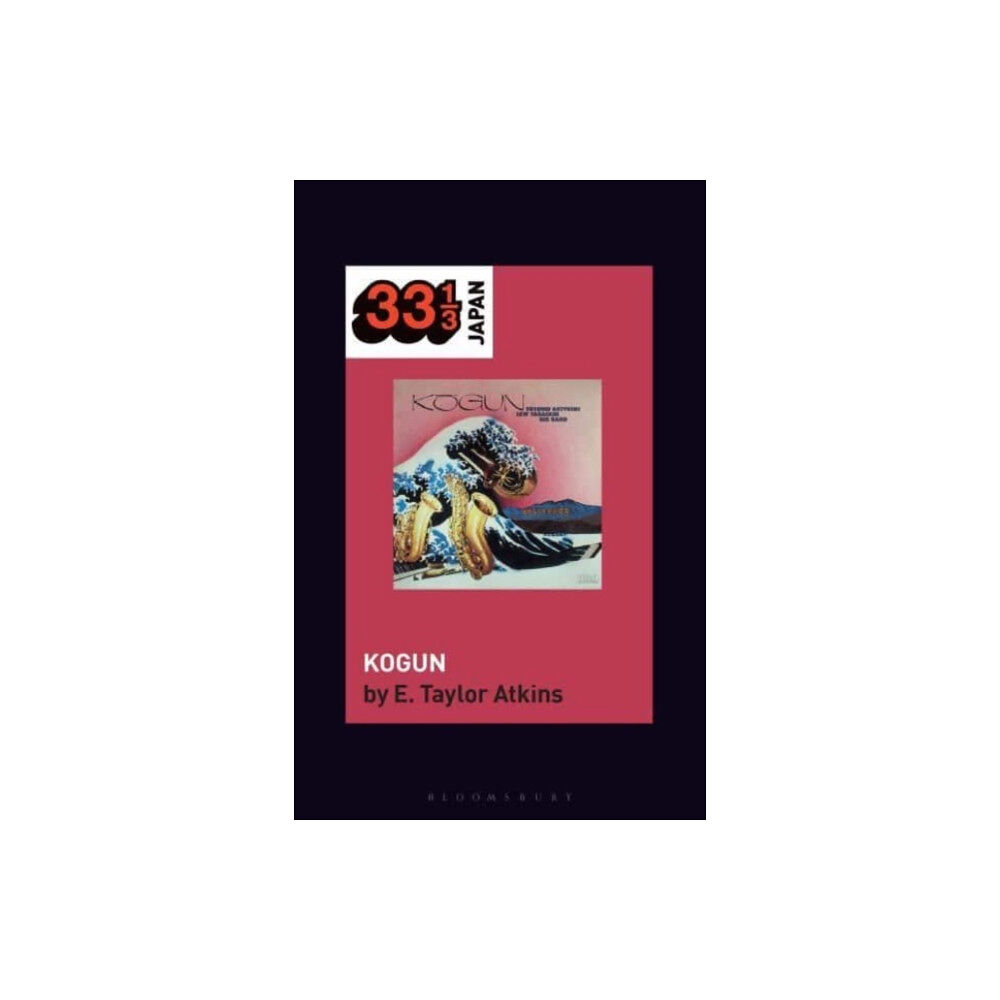
A study of the 1974 album Kogun by the Toshiko Akiyoshi-Lew Tabackin Big Band, this book assesses not just its importance in jazz history but also its part in public remembrance of World War II in Japan.
In 1974 a Japanese soldier emerged from the Philippine jungle where he had hidden for three decades, unconvinced that World War II had endedLater that year, the Toshiko Akiyoshi-Lew Tabackin Big Band released its first album, Kogun (solitary soldier), the title track of which adopted music from medieval Japanese no theater for the first time in a jazz context as aural commemoration of his experience.
At a time when big band jazz was mostly a vehicle for nostalgia and no longer regarded as a vital art, the album was heralded as a revelation. Kogun elevated Akiyoshi''s reputation as a brilliant composer/arranger and earned Tabackin acclaim as a compelling, versatile improviser on tenor saxophone and flute.
| Format |
Häftad |
| Omfång |
160 sidor |
| Språk |
Engelska |
| Förlag |
Bloomsbury Publishing Plc |
| Utgivningsdatum |
2024-11-14 |
| ISBN |
9798765109014 |