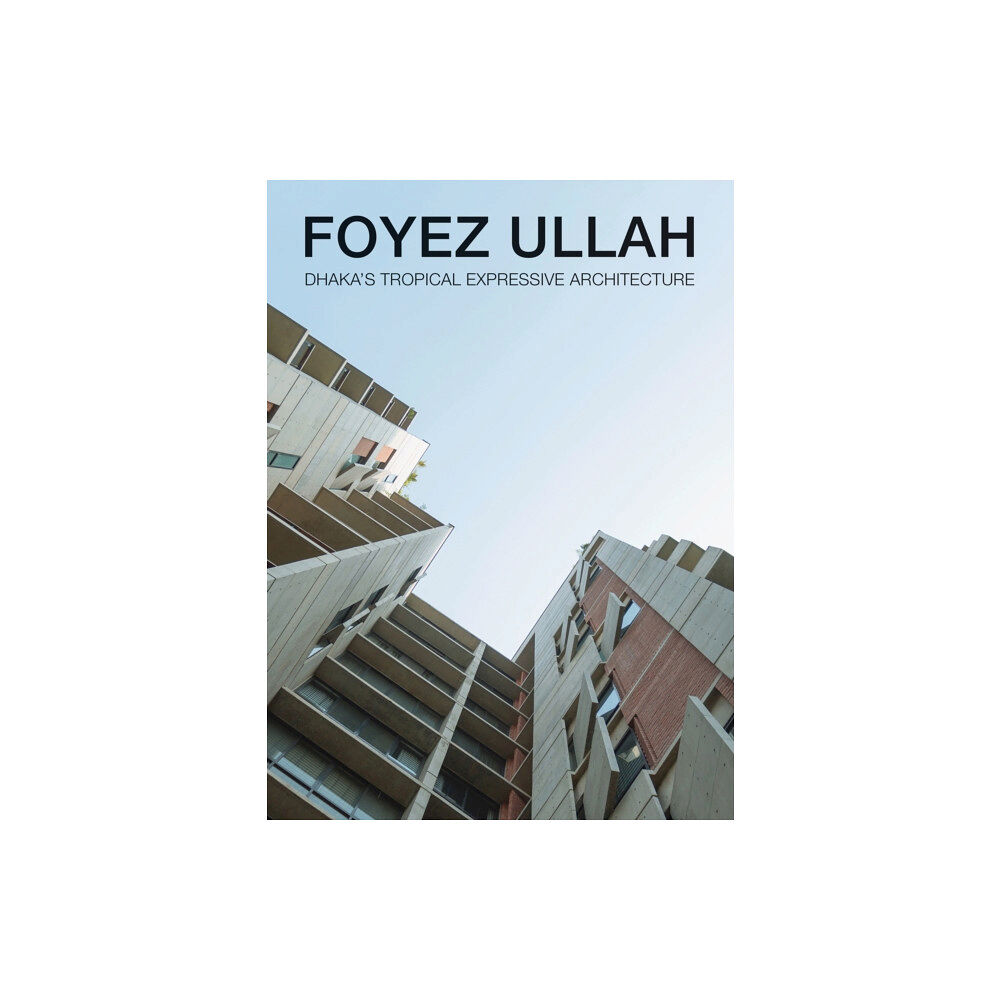
On occasion, an artist is not only from, but of, a place. Imbued with the very spirit of a locale, and thus inspired to return the favour. Such is the nature of the relationship between the legendary architect Foyez Ullah, and Bangladesh’ capital city, Dhaka. Dhaka is a city rich with history; borne of eclecticism, and her tremendous growth post-independence has been extraordinary, both culturally and architecturally.
From the early Mughal architecture to the Indo-Saracenic style of the colonial era, to the sheets of steel and glass that characterize a modern metropolis, there’s an aesthetic battle for the city’s very soul being waged. Dhaka is a city rich with history; borne of eclecticism, and her tremendous growth postindependence has been extraordinary, both culturally and architecturally.
From the early Mughal architecture to the Indo-Saracenic style of the colonial era, to the sheets of steel and glass that characterize a modern metropolis, there’s an aesthetic battle for the city’s very soul being waged. Foyez Ullah has played an active role in this conversation for nearly three decades, weaving a tapestry of work within Dhaka’s realm that declutters her chaotic whims and sets revealing insight into contextspecific architectural response.
Through a series of his architectural benchmarks, as well as texts from the architectural critics Vladimir Belogolovsky and Byron Hawes, this volume posits a framework for responsive and contextual architecture for Dhaka in the 21st century.
| Format |
Inbunden |
| Omfång |
368 sidor |
| Språk |
Engelska |
| Förlag |
Oscar Riera Ojeda Publishers Limited |
| Utgivningsdatum |
2022-01-12 |
| ISBN |
9781946226327 |