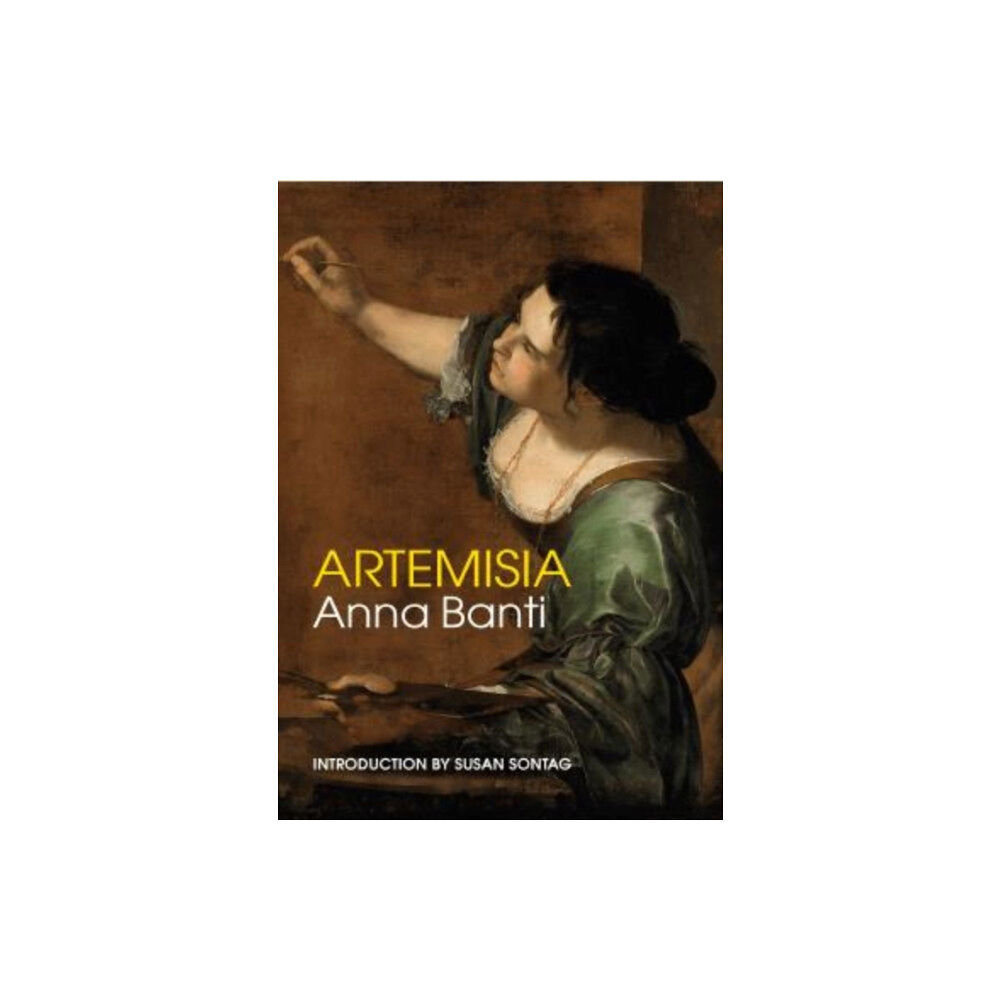
First published in 1953, Artemisia is a classic of 20th century Italian literature. From its first publication in 1953, Artemisia, a novel about Artemisia Gentileschi, an iconic 17th century painter, by Anna Banti, a brilliant Italian art historian, established itself as a feminist masterpiece.
Like Penelope Fitzgerald’s The Blue Flower and Marguerite Yourcenar’s Memoirs of Hadrian, Artemisia is a book about the process of artistic creation. Much in Gentileschi’s life marked her out as a victim – rape at the age of 18, a forced marriage to a man she did not love and, a powerful, patriarchal father, Orazio Gentileschi, who failed to value her artistic genius.
But Gentileschi did not accept the status of victim, in the years between 1610 and 1650; she produced over 50 paintings that have established her as one of the great painters of all time.
She gave up everything – 'all tenderness, all claim to feminine virtues' to dedicate herself solely to paintingSacrifices that Anna Banti, herself an artist, fully understands and captures in this amazing novel.
'What makes Artemisia a great book – and unique in Banti’s work – is this double destiny, of a book lost and re-created. A book that by being posthumous, rewritten, resurrected, gained incalculably in emotional reach and moral authorityA metaphor for literature, perhaps. And a metaphor for reading, militant reading – which, at its worthiest, is rereading – too.' Susan Sontag
| Format |
Häftad |
| Omfång |
248 sidor |
| Språk |
Engelska |
| Förlag |
HopeRoad Publishing Ltd |
| Utgivningsdatum |
2020-10-01 |
| ISBN |
9781913109004 |