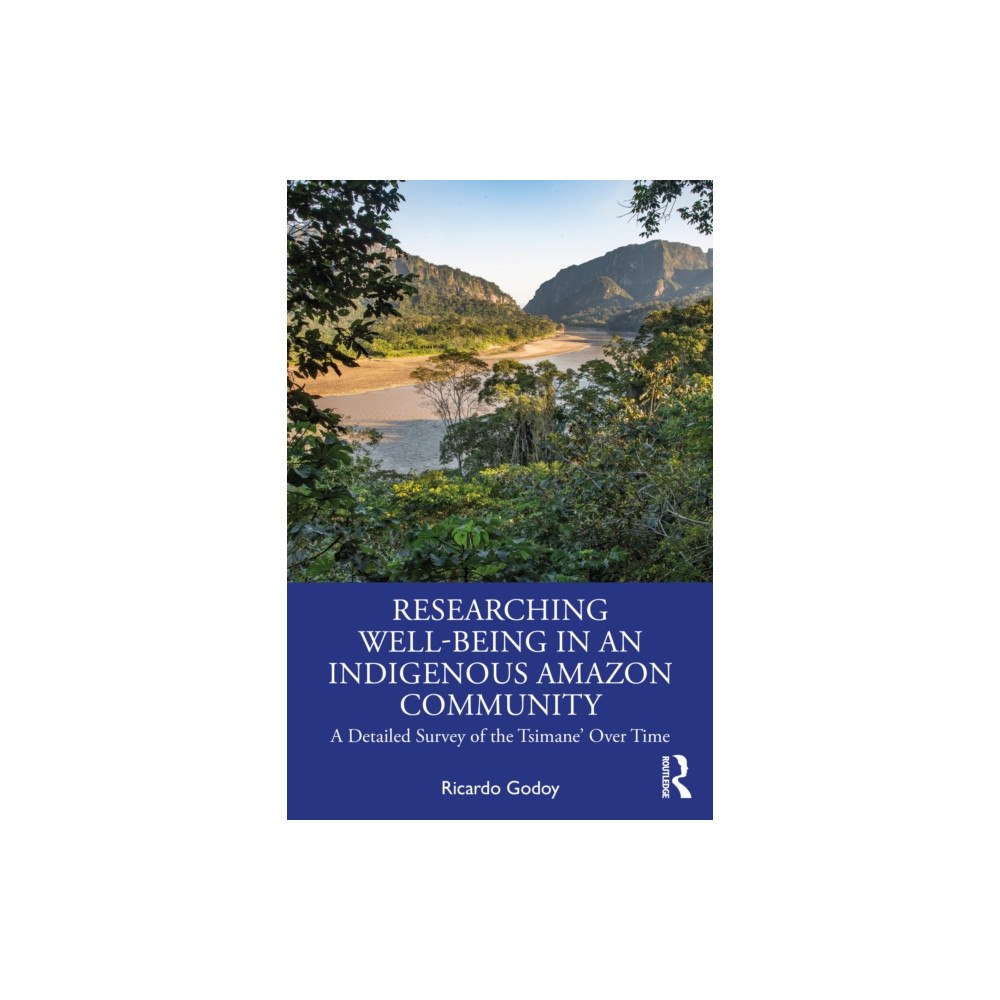
This book aims to provide the first comprehensive, multi-year, systematic, empirical assessment in the behavioral sciences of how well-being changes over time in a rural society of Indigenous People in the Global South.
Using data compiled by the Tsimane Amazonian Panel Study (2002-2010) which monitored change in Tsimane communities, this book aims to analyse important social and economic outcomes in a farming and foraging society of native Amazonians in Bolivia.
It uses multidisciplinary methods through real longitudinal research to bring together three themes: well-being, economic inequalities, and the fate of Indigenous People in small-scale rural societies of the Global South to ask the question ''Why is a society that faces material deprivations, considerable economic inequalities, and declining material standards of living so happy?''
This book aims to provide a comprehensive approach to the measurement of well-being and how to track its changes, providing a platform for future generations to gauge long-term change.
It will resonate with undergraduate and graduate students across the behavioural sciences, professional anthropologists who specialise in the Amazon and well-being, development economists, and senior researchers who are part of the wave of emerging interest of doing research in small-scale rural societies of the Global South.
| Format |
Häftad |
| Omfång |
260 sidor |
| Språk |
Engelska |
| Förlag |
Taylor & Francis Ltd |
| Utgivningsdatum |
2025-03-28 |
| ISBN |
9781032951287 |