
- Hem
- Böcker
- Kurslitteratur
- Historia
- So Very Small: How Humans Discovered the Microcosmos, Defeated Germs--and May Still Lose the War Against Infectious Dise...
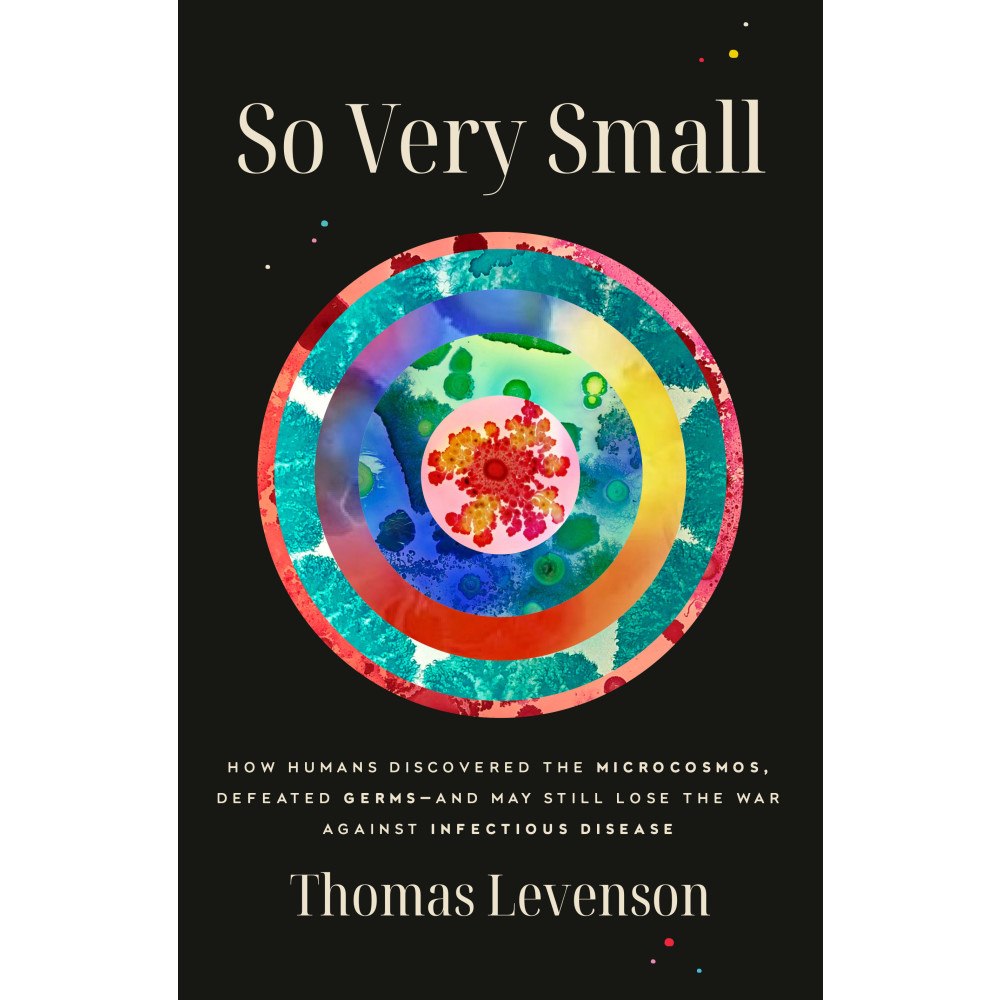
So Very Small: How Humans Discovered the Microcosmos, Defeated Germs--and May Still Lose the War Against Infectious Dise...
Produktbeskrivning
Two out of three soldiers who perished in the Civil War died of infected wounds, typhoid, and other infectious diseases. But no doctor truly understood what was happening to their patients. Twenty years later, the outcome might have been different following one of the most radical intellectual transformations in the history of the world: germ theory, the recognition that the tiniest forms of life have been humankind's greatest killers. It was a discovery centuries in the making that transformed modern life and public health.
This revolution has a pre-history. In the late-sixteenth century, scientists and hobbyists used the first microscopes to confirm the existence of living things invisible to the human eye. So why did it take two centuries to make the connection between microbes and disease? As Thomas Levenson reveals in this globe-trotting history, the answer has everything to do with how we see ourselves. For centuries, people in the west, believing themselves to hold God-given dominion over nature, thought too much of humanity and too little of microbes to believe they could take us down. When scientists finally made the connection by the end of the 19th-century, life-saving methods to control infections and contain outbreaks soon followed. The next big break came with the birth of the antibiotic era in the 1930s. And yet, less than a century later, the promise of the antibiotic revolution is already receding from years of overuse. Why?
In So Very Small, Thomas Levenson follows the thread of human ingenuity and hubris across centuries--along the way peering into microscopes, spelunking down sewers, traipsing across the battlefield, and more--to show how we came to understand the microbial environment and how little we understand ourselves. He traces how and why ideas are pursued, accepted, or ignored--and hence how human habits of mind can, so often, make it terribly hard to ask the right questions.
| Format | Inbunden |
| Omfång | 448 sidor |
| Språk | Engelska |
| Förlag | Penguin Random House USA |
| Utgivningsdatum | 2025-04-29 |
| ISBN | 9780593242735 |
Specifikation
Böcker
- Format Inbunden
- Antal sidor 448
- Språk Engelska
- Förlag Penguin Random House USA
- Utgivningsdatum 2025-04-29
- ISBN 9780593242735
Leverans
Vi levererar ditt paket med Budbee, Instabox och DB Schenker. Frakten kostar 49 kr men handlar du för över 499 kr är det fri frakt. De exakta leveranstiderna för varje produkt ser du direkt på produktsidan och i kassan. När din order skickats får du en spårningslänk via e-post eller SMS.
Betalning
Hos oss betalar du tryggt via Avarda. Du kan välja mellan Swish, kort (VISA/MasterCard), faktura med 30 dagar eller konto för delbetalning. Alla köp sker krypterat och säkert.
Retur & reklamation
Som privatkund har du 14 dagars ångerrätt enligt distansavtalslagen. Retur kostar 49 kr och bokas via kundtjänst innan du skickar tillbaka varan. Återbetalning sker alltid via samma betalmedel du använde vid köpet.
Du har 3 års reklamationsrätt enligt konsumentköplagen. Vid godkänd reklamation står vi för returfrakten. Kontakta oss på [email protected] om du vill göra en retur eller reklamation, så guidar vi dig genom processen.
Specifikation
Böcker
- Format Inbunden
- Antal sidor 448
- Språk Engelska
- Förlag Penguin Random House USA
- Utgivningsdatum 2025-04-29
- ISBN 9780593242735